Demo / Prototype
ROLE
TEAM
OVERVIEW
Problem
SKILLS
Ideation
Product Designer
3 Designers
Figma
Product Design
Prototyping
Product Strategy
Panoptic: a map-based news app
At a time when most news platforms optimize for engagement over accuracy, users are funnelled into the same stories, sources, and perspectives. Recognizing this as a design problem, our team built Panoptic from the ground up to let your curiosity, rather than algorithms, decide what you see.
About half of adults get news from social media, but those platforms are built to maximize engagement, not diversity. Dominant outlets crowd out local voices, and users rarely encounter stories outside what the algorithm predicts they will click.
We interviewed students aged 17 to 21 to understand where they get their news, what frustrates them, and what they wish existed.
We interviewed students aged 17 to 21 to understand where they get their news, what frustrates them, and what they wish existed.
Dominant sources control the narrative. Traditional outlets like BBC, CNN, and CBC dominate accessible news, making local and on-the-ground reporting nearly invisible in standard aggregators.
Algorithmic ranking reinforces existing beliefs. Sensationalist content and posts that validate preexisting views receive higher algorithmic priority, pushing users deeper into familiar territory.
List-based design makes exploration feel impossible. Every major aggregator uses the same format with no spatial, contextual, or curiosity-driven way to browse.
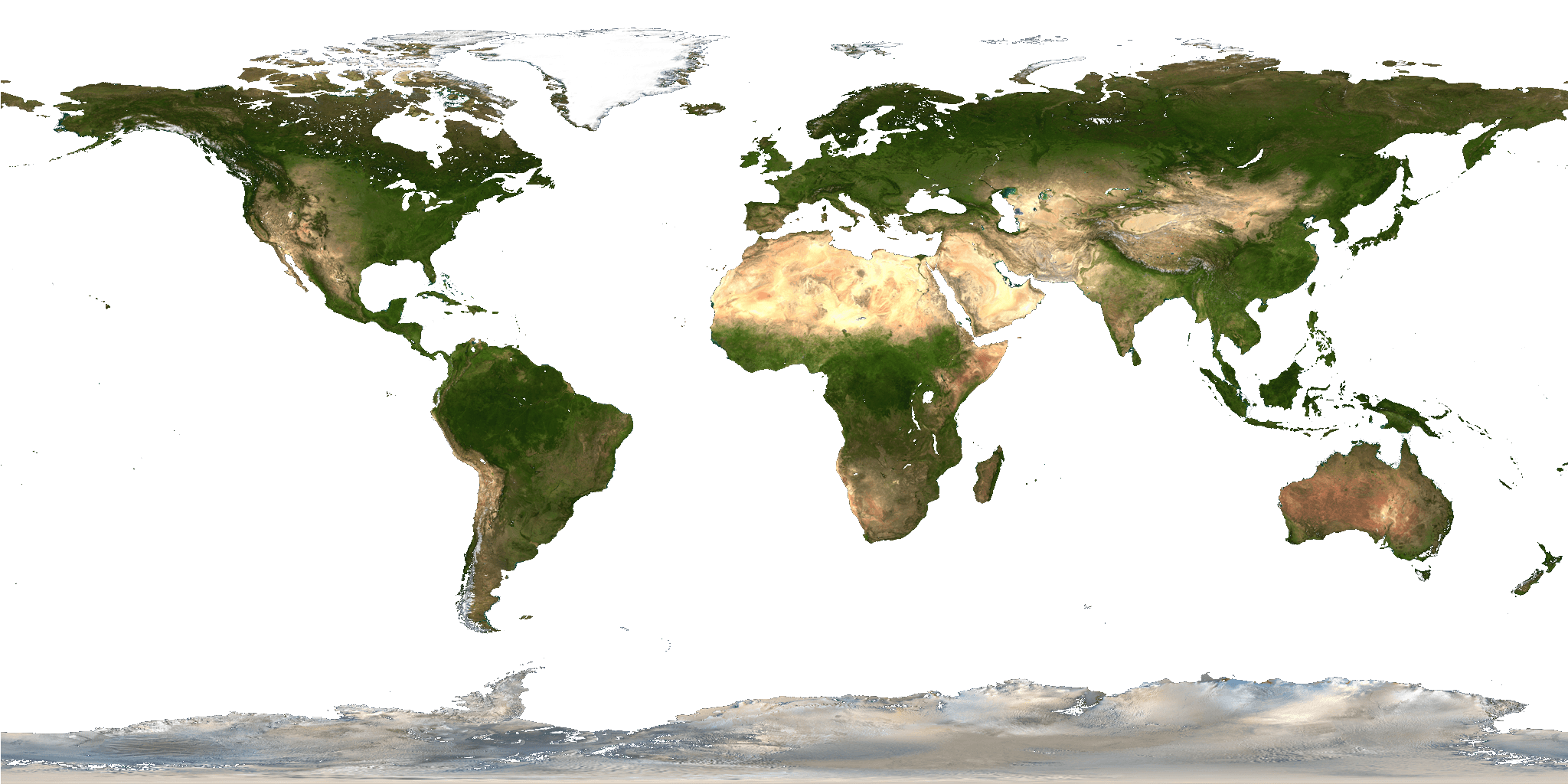
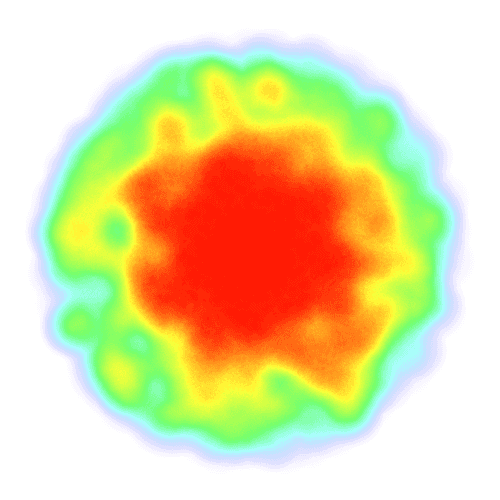
Instead of a ranked feed, Panoptic uses a heat map as its primary navigation layer. Users tap into regions to surface local stories from credible, non-dominant sources, drawing on the familiar interaction model of Snap Maps.
A live interactive globe where heat regions signal news activity. Tapping a region surfaces local stories with source attribution always visible upfront.
A hyperlocal feed surfacing neighbourhood-level news and events for the user's own city, focused on what is happening nearby rather than what is trending nationally.
Zooming in reveals articles from multiple sources covering the same area side by side, so users can compare perspectives without the app deciding which one matters more.
Recently read articles are visible to connections, designed to expose users to what the people around them are reading rather than reinforce what they already like.
A clean reading experience that surfaces the outlet name prominently with no likes, share counts, or engagement signals anywhere on screen.
A curated entry point organized by topic and region rather than popularity, giving users a starting point when they are not sure where to begin.
Panoptic was presented at the Iterate Designathon 2026, driving a clear and defensible point of view that list-based news design is itself a source of homogeneity. The solution opened the door to a scalable integration model that does not require displacing existing platforms.
Most news apps compete on personalization. Panoptic competes on exploration. The map interface is also designed as a reusable pattern that can be integrated into existing platforms like Google News as a standalone feature, making it scalable without requiring users to switch apps entirely.
We also built intentional guardrails into the system: no single source can account for more than 30% of stories in any region, stories older than 24 hours visually decay, and user data is never carried over between sessions.
Around 50% adults get news from social media, but those platforms are built to maximize engagement, not diversity. Dominant outlets crowd out local voices, and users rarely encounter stories outside what the algorithm predicts they will click.
Algorithmic feeds narrow how people see the world
Understanding how young people actually consume news
Three forces driving homogeneity in news:
Map View
Community Tab
Region View
User Profile
Article View
Discover Tab
Making geography the interface
Designing for curiosity, not clicks
Why this problem?
Problem Analysis
Solution
Final Design
Results
What differentiates Panoptic?
Study & Interviews
How might we reshape access to information so that people use news to explore the world and form their own perspective?
4 user interviews
3 core pain points identified
prototype
Western University
Medical Student
Queen’s University
Education Student
University of Toronto
Business Student
“I have to actively search for differing viewpoints, or else I get sucked into echo chambers on social media."
“Common ways of staying informed are either not engaging or biased, which makes me look to mainstream media less.”
"I wish there were more spaces focused on context and varying perspectives rather than steering me toward some popular opinion."


Panoptic
Panoptic
Latest Updates: the Ongoing Crisis in Sudan
The last 24 hours on


“Greenland”, “Business in America”, ...
Toronto, ON

Neighbourhood bakery in Toronto just closed and its owner is sharing all her recipes
9:00AM – January 10, 2026
9:00AM – January 10, 2026

NINE INCH NAILS Fest - ALL NIN ALL Night Dance Party
9:00AM – January 10, 2026

Discover
Discover
Wealthsimple’s Gold Bar Giveaway
Zine Pop-up by OCAD students
Explore Canadian Politics
Simons Opens at Eaton Centre

Watch & Learn




Toronto, ON

9:00AM – January 10, 2026
NINE INCH NAILS Fest - ALL NIN ALL Night Dance Party
9:00AM – January 10, 2026
Neighbourhood bakery in Toronto just closed and its owner is sharing all her recipes
9:00AM – January 10, 2026
Toronto, ON
25 connections

Jane Doe
Recently Read
9:00AM – January 10, 2026
Neighbourhood bakery in Toronto just closed and its owner is sharing all her recipes
9:00AM – January 10, 2026
NINE INCH NAILS Fest - ALL NIN ALL Night Dance Party
Bookmarks
Likes


UNICEF warns of alarming rise in sexual violence against children in Eastern DRC

Africanews
Article 3
XXX
Article 4
XXX
Article 2
XXX

DR CONGO

Anadolu Ajansi

Article 2
XXX
Article 3
XXX
Article 4
XXX

SUDAN
Sudan’s Burhan orders release of 400 female inmates accused of cooperating with RSF
“Greenland”, “Business in America”, ...
Sudan’s Burhan orders release of 400 female inmates accused of cooperating with RSF
Sudan’s Burhan orders release of 400 female inmates accused of cooperating with RSF
Chairman of Sudan’s Transitional Sovereignty Council Abdel Fattah al-Burhan on Friday ordered the release of 400 female inmates from Omdurman Women’s Prison and a review of the justice process for detainees accused of cooperating with the paramilitary Rapid Support Forces (RSF), with
Anadolu Ajansi
January 1, 2026
Iterate Designathon, 2026
W5 Entrepreneruship Club
